
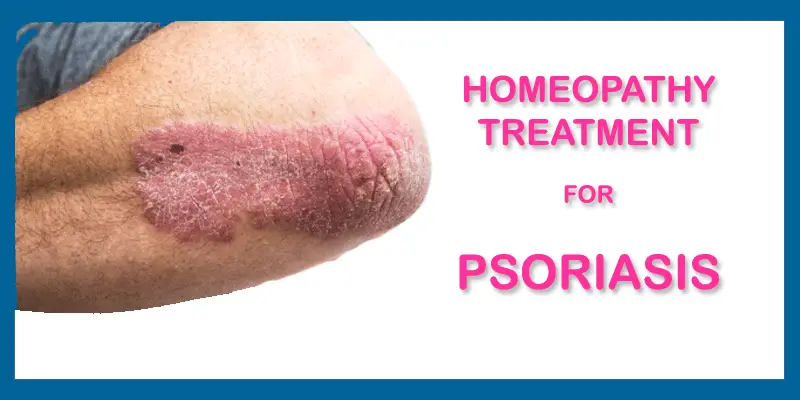

Psoriasis is a chronic, non-contagious autoimmune disease which affects the skin and joints. It commonly causes red scaly patches to appear on the skin. The scaly patches caused by psoriasis, called psoriatic plaques, are areas of inflammation and excessive skin production. Skin rapidly accumulates at these sites and takes on a silvery-white appearance. Plaques frequently occur on the skin of the elbows and knees, but can affect any area including the scalp and genitals. Psoriasis is a prolonged inflammation of skin. The causes of psoriasis are still unclear. This condition is neither infectious (Does not spread from one person to another) nor does it affect the general health. It affects both the genders and may start at any age.
Psoriasis is quite common, affecting around 2% of the population, although people with very mild symptoms may not be aware they have it. Psoriasis can begin at any age but usually starts either around the age of 20 or between 50 and 60.
The lesions may be completely asymptomatic. However, some patients may have severe itching. The lesion worsens during winter and improves or even clear in summer. Occasionally, due to excessive treatment with topical irritative agents the lesions become extensive with erythema and scaling with chills and rigors. This is known as exfoliative dermatitis. In another variety known as pustular psoriasis superficially tiny pustules are seen over the existing psoriasis plaques or even on the normal skin which contains a large number of polymorphs. Sometimes the lesions are seen in a linear fashion on the lines of scratch. Sunlight has been found to be beneficial to psoriatics.
It is an inflammatory skin condition. The obvious sign is the colour change associated with the plaques (the raised patches in the skin), although this is more obvious where there is little scale. In fair-skinned people, the plaque will look red (sometimes referred to as salmon pink), whereas in dark-skinned individuals the plaque tends to look a darker shade of the normal skin. Often, however, the white scaling is thick and hides the redness, so psoriasis looks thick, white and, crusty on exposed surfaces regardless of the underlying skin colour.
The thickening is caused by the greatly increased ‘turnover’ of the skin cells. Normally, a living skin cell moves upward from the bottom layer of skin, loses its nucleus and dies. It is then largely made up of a protein called keratin and is shed from the surface of the skin as new cells go through the same process and replace it from underneath. The whole process takes around 28 days, but in psoriasis it is greatly sped up to 3-4 days cycle. Living cells are then much closer to the surface, and as they still need a blood supply, the vessels lie closer to the surface, leading to the redness and heat that many people with psoriasis complain of. The fact that the surface cells are being replaced before they are shed results in a thick layer of scale, which, as everyone with the condition knows, flakes off readily and abundantly.
It is essentially important to understand what psoriasis is not. This can be summarized by saying that it is:
- Not contagious
- Not cancer
- Not related to diet
- Not allergic
Cause of Psoriasis
As said earlier according to modern medical science the causes of psoriasis are unknown. But the following factors can trigger psoriasis.
- Heredity – If one parent is affected then there is 15% of chances for the child to suffer from psoriasis. If both the parents are affected then the possibility of child getting the psoriasis is 60%.
- Throat infections trigger psoriasis.
- Trauma or hurt on skin like cuts, bruises or burns may cause psoriasis.
- Some medicines or skin irritants initiate psoriasis.
- Smoking and alcohol are other two factors which activate psoriasis.
- Mental stress or psychological trauma may also set off psoriasis.
- Due to abnormality in the mechanism in which the skin grows and replaces itself causes psoriasis.
- Abnormality with the metabolism of amino acids.
- Use of certain medicines.
- Due to infections.
- Heredity factors are also responsible.
- Physical and emotional stress.
- Diet- common in non-vegetarians.
- Weather- exacerbations in winters & remissions in summers.
- Hormonal- worse at or after menopause & remission during pregnancy.
Types of Psoriasis
The symptoms of psoriasis can manifest in a variety of forms. Variants include plaque, pustular, guttate and flexural psoriasis.
Plaque psoriasis (psoriasis vulgaris)
Plaque psoriasis is the most common form of psoriasis. It affects 80 to 90% of people with psoriasis. Plaque psoriasis typically appears as raised areas of inflamed skin covered with silvery white scaly skin. These areas are called plaques.
Flexural psoriasis (inverse psoriasis)
Flexural psoriasis appears as smooth inflamed patches of skin. It occurs in skin folds, particularly around the genitals (between the thigh and groin), the armpits, under an overweight stomach (pannus), and under the breasts (inframammary fold). It is aggravated by friction and sweat, and is vulnerable to fungal infections.
Guttate psoriasis
Guttate psoriasis is characterized by numerous small round spots (differential diagnosis-pityriasis rosea-oval shape lesion). These numerous spots of psoriasis appear over large areas of the body, such as the trunk, limbs, and scalp. Guttate psoriasis is associated with streptococcal throat infection.
Pustular psoriasis
Pustular psoriasis appears as raised bumps that are filled with non-infectious pus (pustules). The skin under and surrounding the pustules is red and tender. Pustular psoriasis can be localised, commonly to the hands and feet (palmoplantar pustulosis), or generalised with widespread patches occurring randomly on any part of the body.
Psoriasis of a fingernail
Nail psoriasis produces a variety of changes in the appearance of finger and toe nails. These changes include discolouring under the nail plate, pitting of the nails, lines going across the nails, thickening of the skin under the nail, and the loosening (onycholysis) and crumbling of the nail.
Psoriatic arthritis
Psoriatic arthritis involves joint and connective tissue inflammation. Psoriatic arthritis can affect any joint but is most common in the joints of the fingers and toes. This can result in a sausage-shaped swelling of the fingers and toes known as dactylitis. Psoriatic arthritis can also affect the hips, knees and spine (spondylitis). About 10-15% of people who have psoriasis also have psoriatic arthritis.
Erythrodermic psoriasis
Erythrodermic psoriasis involves the widespread inflammation and exfoliation of the skin over most of the body surface. It may be accompanied by severe itching, swelling and pain. It is often the result of an exacerbation of unstable plaque psoriasis, particularly following the abrupt withdrawal of systemic treatment. This form of psoriasis can be fatal, as the extreme inflammation and exfoliation disrupt the body’s ability to regulate temperature and for the skin to perform barrier functions.
Clinical classification of Psoriasis
Psoriasis is a chronic relapsing disease of the skin, which may be classified into nonpustular and pustular types as follows-
Nonpustular psoriasis
- Psoriasis vulgaris (Chronic stationary psoriasis, Plaque-like psoriasis).
- Psoriatic erythroderma (Erythrodermic psoriasis).
Pustular psoriasis
- Generalized pustular psoriasis (Pustular psoriasis of von Zumbusch).
- Pustulosis palmaris et plantaris (Persistent palmoplantar pustulosis, Pustular psoriasis of the Barber type, Pustular psoriasis of the extremities).
- Annular pustular psoriasis.
- Acrodermatitis continua.
- Impetigo herpetiformis.
Additional types of psoriasis include
- Drug-induced psoriasis.
- Inverse psoriasis.
- Napkin psoriasis.
- Seborrheic-like psoriasis.
Clinical features of Psoriasis
ONSET
- Insidious
LOCATION
- Scalp, extensor surfaces of arms, forearms, legs, trunk, joints, nails, palms and soles.
Course of Psoriasis
- Chronic, inconstant course.
- Remissions and exacerbations.
- Disease may remain localised to original site of affection for indefinite period, or completely disappear, recur or spread to other parts.
- Nail lesions are resistant to treatment.
- Prognosis variable.
Symptoms of Psoriasis
- Red and irritated skin with bright silvery scales.
- Itching characteristically absent.
LESION
SKIN:
- Start as dry, well defined erythematous papules.
- Symmetrical distribution.
- Coin shaped (nummular psoriasis).
- Layers of silvery scales form.
- Papules increase peripherally and coalesce (psoriasis gyrate).
- Become thicker (due to accumulation of scales) to form plaques.
- Candle-grease sign positive: – when psoriatic lesion is scratched, candle grease like scale is produced even from non-scaling lesions.
- Scales looser towards periphery of patch, firmly adherent at centre.
- Auspitz sign positive: – complete removal of scale produces pin-point bleeding.
- Koebner phenomenon positive in acute phase: – psoriatic lesions appear at site of scratching or trauma.
- When patches reach a diameter of 5 cm: – central clearing occurs producing ringed lesions (annular psoriasis).
- Lesions heal with faint staining which disappears slowly.
NAILS:
- Pits of 1 mm diameter.
- Transverse ridging of nail plate.
- Detachment of the nail from the nail bed
- Separation of distal portion of nail from nail bed and walls.
- Subungual hyperkeratosis causing thickening of nails.
- Oil drop sign: – brownish-red areas of discolouration adjacent to nail plate. Oil spots are 2-4 mm in diameter.
Complications of Psoriasis
- Psoriatic arthropathy (Joints involvement)
- Exfoliative dermatitis.
- Hypoproteinaemia
Diagnosis of Psoriasis
Psoriasis is often diagnosed by a dermatological or primary care physician by its characteristic appearance and locations on the body. If a person has the skin changes typical of psoriasis, a diagnosis can be made clinically by examination alone, based on the skin’s appearance due to psoriasis, a physician will usually be able to diagnose it.
Grattage Test – Gentle scraping of the surface of a psoriasis plaque with a glass slide will remove the loosely attached scales and reveal a shiny surface peppered with fine bleeding points. These bleeding points represent the dilated and tortuous capillary blood vessels in the papillary dermis, one of the characteristic pathological events taking place in psoriasis affected skin. This sign is known as Auspitz sign, which is a diagnostic sign of psoriasis.
If person looks different than most cases, appears in an unusual location, further test may be needed. The definitive test when a clinical diagnosis of skin disease is a skin biopsy. Usually one test is required, but it may be repeated if the results are not clear or the disease changes over time. If biopsy is performed, histologic findings include the following:
- acanthosis (thickening of the skin);
- increased mitosis of keratinocytes, fibroblasts, and endothelial cells; and
- Inflammatory cells in the dermis and epidermis.
No blood test exists to diagnose psoriasis, and psoriasis does not cause abnormal blood tests for most people. The most common reason to draw blood when treating people for psoriasis is to make sure it is safe to begin a new medication or to watch for a medicine’s possible side effects.
The evaluation of psoriatic arthritis may include X-ray, joint tests, and blood panels to look for other causes of arthritis.
General management of Psoriasis
- Patient education.
- Reassurance.
- Avoid exposure to cold.
- Moderate, warm climate is beneficial.
- Adequate exposure to sunlight.
- Avoid undue stress.
- Diet: –
- Avoid fats, highly seasoned and salty dishes.
- High protein diet (cut down animal protein).
- Avoid tea, coffee, alcohol.
- Maintain good hygiene.
- Hot bath in winter, drying and oiling.
- Avoid all factors which trigger psoriasis.
- Reduce stress levels through meditation and Yoga.
- Do not prick, peel or scratch skin. This may trigger psoriasis.
- After bath or wash pat dry the skin. Do not rub the towel vigorously on skin.
- Avoid soap. Instead use gram flour (besan flour) as soap dries the skin.
- After washing, pat the skin dry, don’t irritate it by rubbing vigorously.
- Apply moisturizing creams liberally on affected areas after.
- Opt for cotton clothes over synthetic ones.
- Take a well balanced diet including fruits, vegetables, nuts, seeds, and grains.
- Apply a moisturizer to lubricate and soften scaly patches of skin.
- Take a daily bath in warm water to soak off the scales.
- Try deep breathing and relaxation exercise to reduce stress.
- Do not take tea, coffee, all animal fats, and processed foods.
- Don’t scratch or rub patches of thickened skin.
- Avoid harsh skin products and lotions that contain alcohol. They may dry the skin and make psoriasis worse.
- Keep your towel, clothes separate and clean.
Complications of Psoriasis
- Psoriatic arthropathy (Joints involvement)
- Exfoliative dermatitis.
- Hypoproteinaemia.
Homeopathic Remedies & Homeopathy Treatment for Psoriasis
Homeopathy treats the person as a whole. It means that homeopathic treatment focuses on the patient as a person, as well as his pathological condition. The homeopathic medicines for psoriasis are selected after a full individualizing examination and case-analysis, which includes the medical history of the patient, physical and mental constitution etc. A miasmatic tendency (predisposition/susceptibility) is also often taken into account for the treatment of chronic conditions. The homeopathic remedies for psoriasis given below indicate the therapeutic affinity but this is not a complete and definite guide to the treatment of this condition. The symptoms listed against each medicine may not be directly related to this disease because in homeopathy general symptoms and constitutional indications are also taken into account for selecting a homeopathic remedy for psoriasis. To study any of the following remedies in more detail, please visit our Materia Medica section. None of these homeopathic medicine for psoriasis should be taken without professional advice.
REPERTORY
KENT- SKIN- ERUPTIONS- PSORIASIS
BOERICKE- SKIN- PSORIASIS OF
KNERR- SKIN- ERUPTIONS- PSORIASIS
- Arsenic.
- Ars.iod.
- Borex.
- Calc.sulph.
- Chrysarobinum.
- Graph.
- Kali.ars.
- Kali.brom.
- Lyco.
- Merc.sol.
- Nit.acid.
- Petro.
- Psorinum.
- Sulph.
ARS-ALB.
The appearance of the skin is dry, rough, scaly, dirty and shrivelled. The eruptions are frequently acuminate with excessive scaling. There is severe burning sensation in the eruption which is worse in the evening, at night and by cold application, it is better by warm application. Psoriasis has a tendency to alternate with internal affections.
Great Prostration, with rapid sinking of the vital forces; fainting. The disposition is:
a. Depression, melancholy, despairing, indifferent.
b. Anxious, fearful, restless, full of anguish.
c. Irritable, sensitive, peevish, easily vexed.
The greater the suffering the greater the anguish, restlessness and fear of death. Mentally restless, but physically too weak to move. Indicated by its periodicity and time aggravation: after mid-night, and from 1-2 a.m. And by its intense restlessness, mental and physical: its anxiety and prostration.
ARS-IOD
The psoriasis is characterised by marked exfoliation of skin in large scales leaving an exudating surface beneath it. There is intense burning with itching. The patient scratches violently till it bleeds. The psoriasis is worse in dry cold weather, even though ars-iod is a hot patient, skin symptoms are better by local application of heat.
BORAX
The skin of hands and face is covered with multiple psoriatic eruption. There is furfuraceous peeling off of epidermis. The psoriatic lesions ulcerate easily, especially from slightest injury. Here the psoriasis is worse in warm weather and better in cold weather. There is a sensation of cobweb on the skin. It typically affects individuals who are excessively nervous, frightened easily and sensitive to sudden noise.
Dread of downward motion in nearly all complaints.
CALC-SULPH
The psoriasis eruptions are chiefly located on the scalp, extremities, back. The appearance is scarlet red with lichenification of the surrounding skin. There is severe itching and burning which is worse in warm room, from warm bath and better by cold application and cold bath. Due to presence of secondary infection, the psoriatic eruptions suppurate, which heal with the formation of thick yellow scabs. There may be a greenish-yellow, acrid and offensive discharge.
CHRYSAROBINUM
Psoriatic eruption especially around eyes and ears. There is presence of violent itching with tendency to formation of thick crust. The lesions may get infected and can form an eczematous patch which is associated with acrid, foul smelling, pustular discharge.
GRAPHITES
Folds of the skin. e.g., ears, buttocks, groins, bends of joints are the important site for eruption. The eruptions are absolutely dry with little desquamation and more cracking. The cracks bleed very easily and exude a gluey moisture. The eruptions are typically agg. With local application of heat. The presence of psoriasis in persons who are obese, chilly and constipated. Psoriatic eruption alternating with digestive complaints.
Suited to – Excessive cautiousness; timid, hesitates; unable to decide about anything. Fidgety while sitting at work. Sad, despondent; music makes her weep; thinks of nothing but death.
KALI-ARS
It is one of the most chilly patient to develop psoriasis. The patient is extremely chilly that he wants to warm himself enough even in summer. There is severe sensation of burning in lesion accompanied by intolerable itching which is worse undressing, night, walking, warmth. The eruption tends to be better during monsoon season. It typically affects individuals who are restless, nervous, anaemic and they may have a family or past history of malignant disease.
KALI-BRO
The eruptions are present on chest and back. The causative factor in the above case is ill-effects of worry, loss of business, loss of reputation and embarrassment, or illness of near or dear ones. As kali brom also has an affinity for sexual sphere, ill effects of lascivious fancies, satyriasis or nymphomania, could produce psoriatic eruption. The skin of the patient, is cold and numb to feel. The patient, in general, feels well when he is busy mentally as well as physically.
Adapted to large persons inclined to obesity; acts better in children than in adults. Loss of sensibility, fauces, larynx, urethra, entire body; staggering, uncertain gait; feels as if legs were all over sidewalk. Nervous, restless; cannot sit still, must move about or keep occupied; hands and fingers in constant motion; fidgety hands; twitching of fingers. Fits of uncontrollable weeping and profound melancholic delusions. Loss of memory; forgets how to talk; absent-minded; had to be told the word before he could speak it. Depressed, low-spirited, anxious person.
LYCOPODIUM
The appearance of the skin is dry, thick and indurated. The psoriatic eruptions are full of fissures with little itching and desquamation. The eruption tries to ulcerate early during the course of sickness. It typically affects individuals who grow old prematurely, who are intellectually keen, and who have ill-effects of fear, fright, anxieties, loss of vital fluids. Patient gets a good sense of relief whenever cold applications are applied on the lesion. However one should remember that burning sensation of lycopodium is always better by local application of heat. The psoriasis is associated with urinary, gastric and hepatic disorders.
For persons intellectually keen, but physically weak; upper part of body emaciated, lower part semi-dropsical; predisposed to lung and hepatic affections; especially the extremes of life, children and old people. Deep-seated, progressive, chronic diseases. Pains: aching-pressure, drawing; chiefly right-sided, <. four to eight p.m. affects right side, or pain goes from right to left.
MERC-SOL
The skin has a general tendency to free perspiration, but the patient is not relieved thereby, the skin is always moist. The skin around psoriatic eruptions is excoriated like raw meat. The eruption are prone to early suppuration and ulcerations. There is a sense of itching which is worse at night in bed. Presence of psoriasis in individuals who have history of suppressed gonorrhoea.
Nervous affections after suppressed discharges especially in psoric patients. Glandular and scrofulous affections of children.
NIT. ACID
The skin is dry, eroded and cracked in every angle. Multiple psoriatic eruptions are present with zig-zag and irregular margin. The appearance of the lesion is like raw flesh. The cracks within the lesions ulcerate easily and are extremely sensitive to pain and touch. There may be presence of burrowing pus within the lesion. The skin is extremely unhealthy and may have large jagged warts at various places. There may be itching in the lesions which are worse on undressing. It is suitable for individuals who have yellow discoloration, who are of spare habits and who have a tendency to catch cold or diarrhea. Bad effects of, maltreated syphilis and gonorrhoea.
PETROLEUM
One of the chilly remedies with tendency to develop deep cracks, in angles, nipples, finger tips. Psoriatic eruptions develop in winter season and get aggravated periodically. Early formation of thick, hard, yellowish green crust is the most characteristic symptom. The eruption itches violently and one must scratch until they bleed. The parts become cold after scratching. Psoriatic eruptions typically affect the occiput and the groins. The psoriasis is associated with long lasting and lingering gastric complaints. Psoriasis usually follows after unusual mental strains, fright and grief. Also psoriasis develops after skin diseases are suppressed by local applications.
Adapted to persons with light hair and skin; irritable, quarrelsome disposition; easily offended at trifles; vexed at everything. Ailments: from riding in a carriage, railroad car, or in a ship. Ailments which are worse before and during a thunderstorm. Symptoms appear and disappear rapidly. During sleep or delirium: imagines that one leg is double; that another person lies along side of him in same bed; that there are two babies in the bed. Vertigo on rising; in occiput as if intoxicated; like seasickness.
PSORINUM
The psoriatic eruptions disappears in summer only to occur in winter. The skin is dirty, rough, scabby and greasy. Nape of the neck, scalp, folds of the skin and groins are typically affected. Eruptions itch intolerably which are worse by heat of bed. The patient scratch till it becomes raw and bleeds. It is usually indicated when well related remedies fail to relieve or permanently cure or when sulphur seems indicated but fails to relieve. Psoriatic eruptions developing after maltreated infectious diseases or long lasting grief reactions. The patient is extremely chilly and hungry with foul carrion-like odour.
Especially adapted to the psoric constitution. In chronic cases when well selected remedies fail to relieve or permanently improve; when Sulphur seems indicated but fails to act. Lack of reaction after severe acute diseases. Appetite will not return.
SULPHUR
The skin is dry, rough, wrinkled and scaly. The eruptions break out on almost any part of the body having following characteristics. There is voluptuous violent itching which is aggravated at night, in bed, < scratching and washing. The skin burns whenever the patient scratches. The skin surrounding eruption is excoriated. The psoriasis usually gets worse during spring time and in damp weather. Psoriasis develops after any other skin disease is suppressed by local measures. Psoriasis alternates with various other internal ailments e.g. asthma. It typically affects individuals who are stoop shouldered, unwashed, tall and lean, untidy with offensive body odour. It is to be thought of in chronic and obstinate cases of psoriasis or it should be given after an acute exacerbation of a psoriatic attack to prevent relapse.
Adapted to persons of a scrofulous diathesis, subject to venous congestion; especially of portal system. Persons of nervous temperament, quick motioned, quick tempered, plethoric, skin excessively sensitive to atmospheric changes. For lean, stoop-shouldered persons who walk and sit stooping like old men. Standing is the worst position for sulphur patients; they cannot stand; every standing position is uncomfortable. Dirty, filthy people, prone to skin affections. Aversion to being washed; always <. after a bath.
Thyrodinum
For chilly and anemic subjects. Dry impoverished skin; cold hands and feet. Psoriasis associated with adiposity; skin dry, impoverished. Cold hands and feet. Eczema. Itching without eruptions, worse at night.
Radium brom
Ppsoriasis of penis, itching eruptions on face oozing, patchy erythema on forehead.
Berberis aquifolium
Eruptions appear on scalp and extend to the face and neck, pimply, dry, rough and scaly skin.
Asterius rubens
Skin is itchy and psoriasis mostly affects the left arm and chest; feels worse at night and in damp weather.
Hydrocotyle
Dry eruptions with great thickening of the outer skin layer and exfoliation of scales; psoriasis appears on the trunk, extremities, palms and soles with the usual circular spots with scaly edges.
Magnum aceticum
Suppuration of skin around joints; red, elevated, itching; better, scratching. Deep cracks in bend of elbows, etc. Psoriasis and pityriasis. Burning around ulcers. Chronic eczema associated with amenorrhea, worse at menstrual period or at menopause.
Cuprum met
Bluish, marbled. Ulcers, itching spots, and pimples at the folds of joints. Chronic psoriasis and lepra.
Corallium Rubum
Skin is red with dark red spots which usually change to copper colored spots. Psoriasis develops in the palms and soles.
Iris versicolor
Skin is affected with pustular eruptions and gastric derangement; psoriasis with appearance of irregular patches with shining scales.
For more about Psoriasis visit:
Psoriasis Cases Cured with Homeopathic Medicine
Psoriasis in a Woman of 54 – by Prachi Thole
A Case of Psoriasis – by Petr Hoffman
A Case Psoriasis with its Importance to Miasmatic Activity – by Ardeshir T. Jagose
A Case of Psoriasis – by Divya V.
A Case of Psoriasis – by Shraddha Samant
A Case of Psoriasis – by Urvi Chauhan
A Case of Psoriasis in a Young Man – by Kiran Shanbag
A Cured Psoriasis Case – by S. Arul Manickam
Psoriasis in a Man of 44 – by Nishtha Bhatt
The Psychological Cost of Psoriasis: A Case Study – by Vanita Rajiv Johari
A Girl with Psoriasis – by Amtulnaseer Lubna Ahmad
Psoriasis in a Woman of 28 – by Arshi Tank
A Case of Psoriasis – by Elaine Lewis, Mati Fuller

In all medications/treatments of different areas in psoriasis, no mention of tentative duration of
treatment and local application for lubrication for instant relief from itching is mentioned.
Please advice
Thanks and regards
Vinod anand
We can find the Homeopathy medicines in all Homeopathy shops or where we can buy ?
PLZ MENTION DOSSES FOR ABOVE GIVEN MEDICINE.PLZ ADVICE FOR DOSSES TO TAKE.
sulphur and Arsenic album is the nice remedies for psoriasis. both are frm psoric mia
samaticbackground. should be taken in low doses it should be taken in 30c or 30x potency.
Hi,
For doses and duration one has to consult a qualified homeopath. Please dont start taking these remedies on your own, Homeopathy dont have any side effects but if you keep using for a long period of time it might had no effect
In homeopathy we treat the patient not the disease its the law. Every patient has its own personality, means way of living life so how caan one remedy suits ten people. Homeopath will first give the patient Anti psoric remedies make make the ground ready to prescribe the needed remedy. Some people like cold food, like being in crowd some dont first I will give the remedy which suits your personality then I will find the remedy which is very close to the patients mood, liks, dislikes, habits, environment he is living, and how much that remedy needed and when to switch to another remedy.
Hi Rubina
I am suffering from Psoriasis and I treated by homeopathic doctor like nehru homeopathic medical college Delhi, still i am suffering. What i do which medicine would be suitable for me, please reply also at [email protected]
Gayasuddin Ansari
Rubina, can I take Kali Ars and Arsenic Alb together. How often and how many of 30 cc of each should I take in a day. I have psoriasis all over my body. I do phototherapy and am in remission right now. I have only few spots left on my thighs and knees and one little left under my elbow. I want a treatment that will get rid of it completely for ever. Thanks for your help.
DermalMD Psoriasis Serum is the only product that works on my husbands psoriasis. Not even prescription creams can control his psoriasis, He has a very bad case of it.
Dear sir
I m suffering with psoriasis from past 2 years. I have been used lots of medicine from elopaithy . But I did not get rid from this problem. Now I decided to meet homeopathic expert and take medicine from him. Plz show the way to cure my psoriasis and I can live my life. Plz help me.
Thanking you
Dear sir
I m suffering with psoriasis from past 2 years. I have been used lots of medicine from elopaithy and homeopathy treatment. . But I did not get rid from this problem. Now I decided to meet homeopathic expert and take medicine from him. Plz show the way to cure my psoriasis and I can live my life.1 years homeopatik treatment but not increas my problem.plz sir help me.
Thanking you
Dear sir
I m suffering with psoriasis from past 1 years. I have been used lots of medicine from elopaithy . But I did not get rid from this problem. Now I decided to meet homeopathic expert and take medicine from him. Plz show the way to cure my psoriasis and I can live my life. Plz help me.
Thanking you
Very Educative