
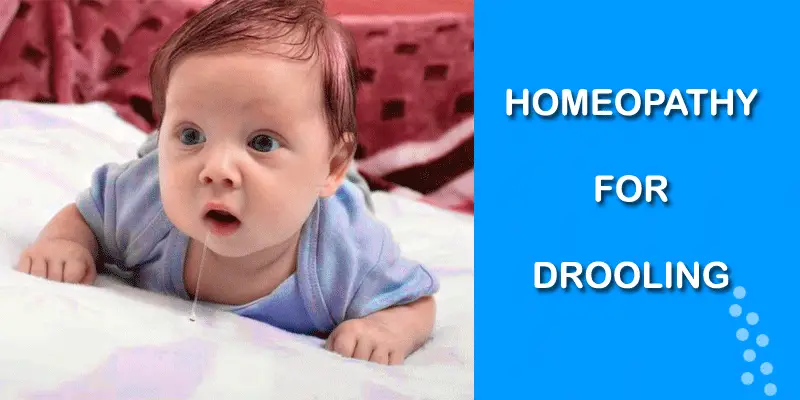

What is drooling?
Saliva flowing outside the mouth is known as drooling. It is generally caused by excessive production of saliva or inability to retain or swallow.
It can be defined as salivary incontinence or the spillage of saliva over the lower lip. It reflects a disturbance of the oral phase of deglutition which is associated with inefficient, uncoordinated swallowing and poorly synchronized lip closure.
It is frequently associated with an abnormal increase in tone of the muscles that open the mouth. Drooling patients have difficulty managing normal salivary flow. Drooling itself is a symptom not a disease.
Ptyalism
Excessive secretion of saliva, such as sometimes occurs in the early months of pregnancy. It is also a clinical sign of mercury poisoning.
Saliva is produced in salivary glands to help the body ingest food. These glands normally produce about a quart of saliva each day when these glands become hyper active and produces excess amount of saliva then it called as Ptyalism.
Saliva-
Saliva is the watery and usually a frothy substance produced in mouth, which is secreted by salivary gland. It is stimulated by both sympathetic and parasympathetic nervous system. Approximately 700 ml/day saliva is produced. It contains 98% water and electrolyte, mucus, antibacterial compounds and various enzymes.
The functions of saliva include lubrication and moistening of food in order to facilitate mastication, protection of the mucosa from desiccation, prevention of dental caries, and a medium by which lysozyme, secretary IgA and salivary peroxidase are delivered to the oral cavity.
What causes drooling?
§ In infants and toddlers it may be normal and is unlikely to be a sign of either disease or any complications, it may be associated with teething.
§ It may be exacerbated by upper respiratory infections and nasal allergies
§ If it is associate with fever or trouble in swallowing may be sign of retropharyngeal abscess, peritonsillar abcesses, tonsillitis, Mononucleosis, sore throat, parkinson’s disease.
§ It may be associated with nausea-vomiting due to any cause and hyperemesis gravidum during pregnancy.
§ Sudden onset of drooling may indicate poisoning, reaction to snake or insect venom.
- Conditions where saliva secretion is increased; Stomatitis, Chronic gastritis, Pregnancy, Maniacs, Hydrophobia, Drugs -mercury, iodide, bitters, Sinemet, Sinemet CR, Lodosyn, Levodopa, Dopar, etc.
- Excessive capsaicin can cause drooling.
- Drooling may be one symptoms of following disease; Alzheimer’s Disease, Ataxia Telangiectasia, Bell’s Palsy, Cyclic vomiting syndrome, Epiglotitis, Epiglottis diseases, Grand mal seizures, Homocystinuria, Motion sickness, Rabies, Schwartz-Jampel Syndrome, Sjogren’s Syndrome, Wilson’s Disease, Oral cancer etc.
How diagnosis of drooling has to be done?
History, physical examination and medical cause must be investigated.
§ Ask about amount of salivation, associated sign and symptoms, anorexia.
§ Check for paralysis, edema of throat and tonsils, swelling of mouth and neck; note foul breath odor. Examine the tongue for trident tongue, gag reflex.
§ Assess cranial nerves II through VII, IX, and X, patient’s speech, check pupillary size and response to light.
§ Palpate muscle for tenderness or atrophy, for lymphadenopathy, hyperreflexia, and a positive Babinski’s reflex and assess sensory function for paresthesia.
§ Investigation for mental changes, vision, hearing, and sense of taste
§ Drug history.
§ Ask about anorexia, weight loss, fatigue, nausea, vomiting, and altered bowel or bladder habits, suffering from cold recently or other infection or bitten by an animal or exposed to pesticides.
Conventional Treatment for Drooling:
Treatment of drooling must be according to the medical cause; generally Atropine sulfate is given for drooling.
Homeopathic Treatment for Drooling or Salivation
 Homeopathy treats the person as a whole. It means that homeopathic treatment focuses on the patient as a person, as well as his pathological condition.
The homeopathic medicines are selected after a full individualizing examination and case-analysis, which includes the medical history of the patient, physical and mental constitution etc.
The medicines given below indicate the therapeutic affinity but this is not a complete and definite guide to the treatment of this condition. None of these medicines should be taken without professional advice.
HOMEOPATHIC THERAPEUTICS
Reportorial rubrics
[Kent] MOUTH, Salivation
[Murphy] MOUTH, Salivation;
Pregnancy, Salivation, during, ptyalism
[Boericke] Mouth, Ptyalism-Saliva, increased.
[Boenninghausen’s] Mouth, Saliva, mucus, increased (water gathers)
Saliva, increased.
Therapeutics
Homeopathic medicines are selected on the basis of symptoms, cause, family history and constitution of the person affected. Considering all these factors any of the below listed (or some other) homeopathic medicine may be indicated and helpful in this condition.
Kreosotum, Mercurius Solubilis, Natrum muriaticum, Ipecacuanha, Pulsatilla pratensis, Sulphuricum acidum, Kali Bichromicum, Acetic Acid
MATERIA MEDICA
Kreosotum.
Cross, willful and obstinate patient. Salivation during pregnancy. Vomiting: of pregnancy, sweetish water with ptyalism; during painful dentition. Fetid breath.
Mercurius
Ptyalism; tenacious, soapy, stringy, profuse, fetid, coppery, metallic-tasting saliva. Fetid odor from the mouth. Inflammation and suppuration of throat. Constant inclination to swallow. Sticking pain in throat and tonsils when swallowing. Inability to speak. Hoarse, husky voice.
Natrum muriaticum
Salivation. Taste Lost. Burning blisters in mouth and on tongue. Chronic sore throat, with sensation of being compelled to swallow over a lump. Inflamed throat with sticking pains. Difficulty speech from heaviness of tongue. Sense of a hair on tongue.
Sulphuricum acidum
Profuse salivation with burning in oesophagus.
Kali Bichromicum
Affections of the mucous membranes of mouth, throat – discharge of a tough, stringy mucus which adheres to the parts and can be drawn into long strings. Rope like saliva.
Ipecacuanha
Mouth biting in, also tongue. Difficult swallowing.. Bleeding from. Inflamed throat. Taste: Sweetish, bloody, in mouth.
Pulsatilla pratensis
Putrid odor from mouth, especially in morning. Dark redness or varicose swelling of throat. Tenacious mucus in throat early in morning. Increased flow of sweetish saliva. Tongue covered with mucus.
Mercurius Solubilis
Salivation with sore gums and mouth. Also during pregnancy. Wets the pillow in sleep. Sweetish metallic taste in the mouth. Salivary secretions greatly increased; bloody and viscid. Saliva fetid, coppery. Sore pain on touch and from chewing. Whole mouth moist. Fetid odor from mouth, can smell it all over room. Great thirst, with moist mouth.
Natrium muriaticum
Obstinate salivation with ulcers on the tongue, angles of lips and inner walls of the mouth with a constant and copious discharge of limpid saliva. Loss of taste. Immoderate thirst.
Acetic Acid
Burning water-brash and profuse salivation, day and night. Increased Salivation from the gastric complaints. Intense burning thirst. Cold drinks distress.
Care for drooling
Care for drooling due to teething includes good oral hygiene. Popsicles or other cold objects (such as frozen bagels) may be helpful. Care must be taken to avoid choking when a child uses any of these objects.
Some Cases of Drooling Cured With Homeopathic Medicine
Abdominal Pain in a Boy of 13 – by Hetal Vasa
Bell’s Palsy – by Dr. Bhanu Sharma
A Case of Cerebral Palsy – by G. R. Mohan
Seizure Disorders in Children – by Manfred Mueller



excellent
Was helpful
This will help me to eliminate the above remedies from the case I have coming in next week who also has a cancer that he wants me to ignore !!