
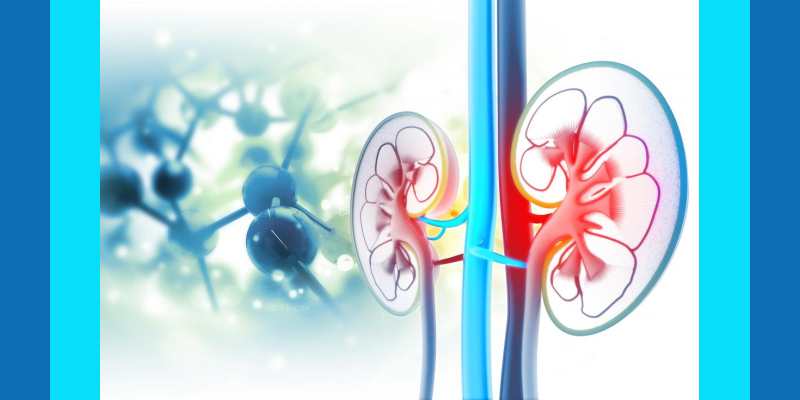


Are you looking for a homeopathic cure for nephrotic syndrome? This article discusses the homeopathy treatment of nephrotic syndrome along with the best homeopathic medicine for nephrotic syndrome treatment.
Nephrotic syndrome is characterized by-
- Heavy proteinuria
- Hypoalbuminemia
- Edema
- Hypercholesterolemia
The term nephrotic syndrome was coined by Calvin and Goldberg. Nephrotic syndrome is a nonspecific disorder in which the kidneys are damaged, causing them to leak large amounts of protein (proteinuria at least 3.5 grams per day per 1.73m2 body surface area) from the blood into the urine.
Homeopathy Treatment & Homeopathic Remedies for Nephrotic Syndrome

Homeopathy treats the person as a whole. It means that homeopathic treatment focuses on the patient as a person, as well as his pathological condition. The homeopathic medicines are selected after a full individualizing examination and case-analysis, which includes the medical history of the patient, physical and mental constitution etc. A miasmatic tendency (predisposition/susceptibility) is also often taken into account for the treatment of chronic conditions. The medicines given below indicate the therapeutic affinity but this is not a complete and definite guide to the treatment of this condition. The symptoms listed against each medicine may not be directly related to this disease because in homeopathy general symptoms and constitutional indications are also taken into account for selecting a remedy. To study any of the following remedies in more detail, please visit our Materia Medica section. None of these medicines should be taken without professional advice.
Homeopathic Remedies
- Aconite
- Apis mellifica
- Apocynum
- Arsenicum
- Cantharis
- Convallaria
- Cuprum met
- Hellebores
- Solidago virgaurea.
- Cuprum arsenicum
- Digitalis
- Glonoine
- Kali chloricum
- Mercurius corrosivus
- Plumbum
- Phosphorus
- Terebinth
Apis mellifica
- There are oedematous swellings of the face and extremities, paleness, ascites, oedema pulmonum, pains in the
 head, back and limbs.
 - Albuminuria following infective diseases.
- There are dull pains in the kidneys, scanty urine and frequent Micturition.
- The urine is heavily charged with albumen and contains blood corpuscles.
- The oedema appears quickly, there is general dropsy and suppression of urine
- The patient is drowsy, apathetic and has a bruised feeling all over.
- A valuable symptom for Apis is the feeling of suffocation. He does not see how he is get another breath.
 head, back and limbs.
Arsenicum
- This homeopathic medicine for nephrotic syndrome comes in later in the disease where there is dropsy, pale skin, waxen appearance, watery diarrhea and great thirst.
- The urine is dark, casts are abundant, and it contains much albumen.
- There are attacks of dyspnoea when lying down in the evening and after midnight, relieved by an expectoration of mucus.
Cantharis
- This remedy pictures nephritis with cutting pains in the lumbar region;
- The urine is passed in drops and is mixed with blood, with much urging.
- Post scarlatinal and post diphtheric kidney diseases with dropsy may indicate Cantharis.
Mercurius corrosivus
- This This homeopathic medicine for nephrotic syndrome corresponds to the large white kidney.
- There is an albuminous, scanty and red urine;
- Pale waxen color of the body;
- There are lumbar pains, great dyspnoea and excessive burning in urination.
- It takes the first rank among all the mercurials for nephritis, and it comes in the later stages. There is an expression of uneasiness on the face.
Plumbum met
- Urine Frequent, with ineffectual urging and tenesmus.
- Urine albuminous; low specific gravity.
- Chronic interstitial nephritis, with great pain in abdomen.
- Urine scanty.
- Tenesmus of bladder. Emission drop by drop.
Phosphorus
- Phosphorus produces as marked a nephritis as any drug.
- The characteristic symptoms are: lassitude of the whole body, hands and feet icy cold, sleepiness. The fatigue is greatest in the morning, and there is heat in the body without thirst, especially in the evening.
- The patient is indisposed to work, is giddy, forgetful and has a heavy headache, particularly in the forehead;
- There is oedema of the upper eyelids, a mist before the eye, a yellowish fray complexion, a sickly oedema of the face,
- Want of appetite, pressure and burning in the stomach, and a light colored painless diarrhea which is very weakening.
- Vomiting and gastric symptoms are usually present.
- A small dose of Phosphorus will act much safer and better in eclampsia than a large dose of Morphine.
Terebinth
- Urinary symptoms very marked.
- One of our reliable and most frequently indicated homeopathic medicine for nephrotic syndrome in the early stages of renal diseases when congestion is prominent.
- Homeopathic medicine for nephrotic syndrome used when there is much pain in the back of a dull character extending along the ureters.
- Inflammation of kidneys, with haemorrhages-dark, passive, fetid.
- The great characteristic of dark smoky urine will be present.
- There is swelling all over the body and of course, the urine is bloody and albuminous.
- It is recommended in post scarlatinal renal affections.

What is Nephrotic Syndrome
- Nephrotic syndrome is a set of signs or symptoms that may point to kidney problems.
- The kidneys are two bean-shaped organs found in the lower back. Each is about the size of a fist. They clean the blood by filtering out excess water and salt and waste products from food.
- Healthy kidneys keep protein in the blood, which helps the blood soak up water from tissues. But kidneys with damaged filters may leak protein into the urine.
- As a result, not enough protein is left in the blood to soak up the water. The water then moves from the blood into body tissues and causes swelling.
- Kidneys affected by nephrotic syndrome have small pores in the podocytes, large enough to permit proteinuria (and subsequently hypoalbuminemia, because some of the protein albumin has gone from the blood to the urine) but not large enough to allow cells through (hence no hematuria). By contrast, in nephritic syndrome, RBCs pass through the pores, causing hematuria.
- Childhood nephrotic syndrome can occur at any age but is most common between the ages of 1½ and 5 years. It seems to affect boys more often than girls.
Cause of Nephrotic Syndrome
The cause within the kidney itself or its related structure are grouped under primary causes and the disease which affects other systems including kidney are grouped under secondary causes.
Primary causes-
Minimal change disease (MCD): as the name suggest minimal changes i.e. the damage of nephrons is not so pronounced that can be detected under light microscope but can be seen with electron microscope, but the sign of nephritic syndrome are present like proteinuria, oedema, and lipidaemia.
Focal segmental glomerulosclerosis (FSGS): the word sclerosis is refer as scaring. It is the most common cause of nephrotic syndrome in adults characterized by the appearance of tissue scarring in the glomeruli.
Membranous glomerulonephritis (MGN): The inflammation of the glomerular membrane causes increased leaking in the kidney.
Membranoproliferative glomerulonephritis (MPGN): is the inflammation of the glomeruli along with the deposit of antibodies in their membranes, which makes filtration difficult.
Secondary causes
Systemic causes
- System lupus erythematosus
- Henochschonlein syndrome
- Polyarteritis nodosa
Metabolic causes
- Diabetes mellitus
- Amyloidosis
Allergens
- Insect bites
- Pollen vaccines
Infections
- Malaria
- Schistomiasis
- Hepatitis B
- Herpes zoster
- Streptococcal infections
- Staphylococcal infections
- Syphilis
Drugs
- Mercury
- Gold
- Penicillamine
- Street heroin
- Captopril
Tumors
- sarcoma
- leukemia
- lymphoma
Idiopathic
- Fluid retention or edema. At first it causes puffiness of eyes and ankles, which is followed by general puffiness of the skin, and then, a swollen abdomen.
- Weight gain due to retention of fluid
- Decreased urination
- Anorexia or loss of appetite
- Weakness
- Frothy urine
- General ill feeling
Symptomatology of Nephrotic Syndrome
SYMPTOMS
- Onset: insidious.
- Swelling of face, spreading to whole body.
- Oliguria.
- Dyspnoea.
- Anorexia.
- Nausea, vomiting.
- Lethargy, tiredness.
- Susceptibility to infections.
SIGNS
- Nephritic facies
- Puffy face.
- Baggy eyelids.
- Waxy pallor.
- Anaemia: mild to moderate.
- Oedema: pitting.
- Pulse: fast.
- Blood pressure: high
- Abdomen:
- Bloated.
- Flanks full.
- Skin shiny.
Investigations for Nephritic Syndrome
- Urinalysis – Dipstick (commonly used for screening) : usually shows ≥ 3+ protein or 24-hour urine collection
- Blood test includes -Total serum protein, albumin, serum cholesterol, triglycerides and serum creatinine.
- Ultrasound
- Renal biopsy
Complications of Nephrotic Syndrome
- Infection: due to leakage of immunoglobulins ( Fighting cells of the body) in tissue space, encapsulated bacteria such as Haemophilus influenzae and Streptococcus pneumonia can cause infection.
- Acute kidney failureis due to hypovolemia (less fluid in the blood vessels) . Despite the excess of fluid in the tissues space, there is less fluid in the blood vessels. Decreased blood flow to the kidneys causes them to shutdown.
- Pulmonary edema: again due to fluid leak, sometimes it leaks into lungs causing breathing difficulty.
- Growth retardation: does not occur in MCNS.It occurs in cases of relapses or resistance to therapy. Causes of growth retardation are protein deficiency (Homeopathy for Protein Deficiency) from the loss of protein in urine, anorexia(reduced protein intake), and steroid therapy (catabolism).
- Vitamin D deficiencycan occur. Thyroxine is reduced due to decreased thyroid binding globulin.
General management of Nephrotic Syndrome
- Bed rest, if severe oedema or infection is present.
- High protien diet: 1.5-3 g / kg.body weight (if blood urea is normal).
- Fluid restriction according to urinary output
- Low-sodium and low-protein diet
- If necessary medicines to control high blood pressure.
- Diuretics to increase urine output and reduce oedema
- Substitute vitamin D if patient has deficiency
Refrences-
- Harrison’s Principles of Internal Medicine, 14th ed, McGraw-Hill
- Davidson’s Principles and Practise of Medicine, 17th ed, 1996, Churchill Livingstone
- New Manual of Homeopathic Materia Medica & Repertory, William Boericke, 2nd revised ed., 2001, B. Jain
- https://www.amboss.com/us/knowledge/Nephrotic_syndrome
The above information about homeopathy treatment of nephrotic syndrome is only for information purpose. Please consult a professional homeopath before taking any homeopathic medicine for nephrotic syndrome.
Nephrotic Syndrome Cases Cured with Homeopathic Medicine
A Case of Steroid Dependent Mesangial Proliferative Glomerulus Nephritis – by Kamal Jalodia
A Case of Nephrotic Syndrome – by Obaidullah Nayaghar


Write up on nephrotic syndrome is very informative, sir.
My 3 year old child suffers with this nephrotic syndrome problem for the last 2 years.. We started the treatment with allopathic medicines. For the last 6 months my child is getting treated with homeopathic medicines by a qualified Homeopath. Still relapses occurs but frequency has come down & still as per homeopath’s advice we are giving 5mg of prednisolone twice in a week. My question is can this disease be cured fully? How long will it take? Because of this problem I am unable to send my child to school yet..
Please help me by your suggestions.
Good Morning Mam,
My both the sons have been suffering from Nephrotic Syndrome since their childhood. I want to switch to Homeopathy. Can you suggest the best doctor at Hyderabad as your place, Jaipur, is far away from Hyderabad where I reside.
Thanks and regards,
Chavali SSSY Chynulu
Very educational article, thanks for writing it!