


Are you looking for a homeopathic cure for tonsillitis? This article discusses the homeopathy treatment of tonsillitis along with the best homeopathic medicine for tonsillitis treatment.
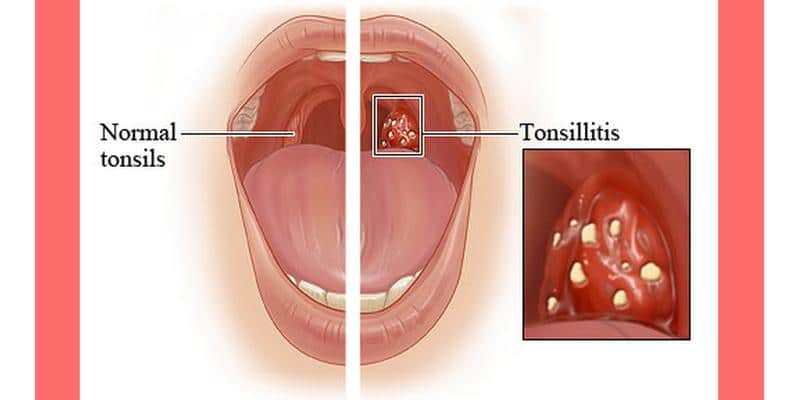
Tonsillitis is inflammation of the tonsils.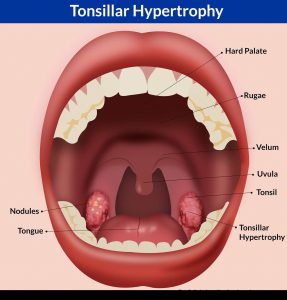
The tonsils are lymph nodes in the back of the mouth and top of the throat. They normally help to filter out bacteria and other microorganisms to prevent infection in the body.
They may become so overwhelmed by bacterial or viral infection that they swell and become inflamed, causing tonsillitis. The infection may also be present in the throat and surrounding areas, causing pharyngitis.
Tonsillitis is extremely common, particularly in children.
Homeopathic Remedies & Homeopathy Treatment for Tonsillitis

Homeopathy treats the person as a whole. It means that homeopathic treatment focuses on the patient as a person, as well as his pathological condition. The homeopathic medicine for tonsillitis are selected after a full individualizing examination and case-analysis, which includes the medical history of the patient, physical and mental constitution etc.
A miasmatic tendency (predisposition/susceptibility) is also often taken into account for the treatment of chronic conditions. The homeopathic medicine for tonsillitis given below indicate the therapeutic affinity but this is not a complete and definite guide to the treatment of this condition.
The symptoms listed against each homeopathic medicine for tonsillitis may not be directly related to this disease because in homeopathy general symptoms and constitutional indications are also taken into account for selecting a remedy. To study any of the following remedies in more detail, please visit our Materia Medica section. None of these homeopathic medicine for tonsillitis should be taken without professional advice.
Commonly indicated Homeopathic Remedies
- Baryta carb
- Baryta iod
- Apis mel
- Belladonna
- Silicea
- Lachesis
- Lac can
- Psorinum
- Hepar sulph
- Calcarea iod
- Arsenic iod
- Phytolacca
- Merc iod flavus
- Bryonia
- Lycopodium
- Tuberculinum
Baryta Carb –
- After each cold, attack of tonsillitis;
- Picking sensation when swallowing.
- Sensation as of a plug in the throat, worse when swallowing solids and from empty swallowing.
- Tonsils tend to suppurate, specially the right.
- Chronic induration of tonsils.
Phytolacca
- Throat dark red or bluish red.
- Much pain at root of tongue; soft palate and tonsils swollen.
- Sensation of a lump in throat.
- Throat feels rough, narrow, hot.
- Tonsils swollen, especially right; dark-red appearance.
- Shooting pain into ears on swallowing.
- Cannot swallow anything hot.
Belladonna –
- Tonsillitis, parts bright red due to swelling.

- During swallowing sensation as if throat were too narrow.
- Symptoms of congestion.
- Worse from swallowing liquids.
- Right side is most affected.

Hepar Sulph –
- Chronic tonsillitis with hardness of hearing.
- Sensation like fish bone in the throat.
- Stitches in the throat extending to the ear.
- Yellow dots of pus on tonsils.
- Patient is very sensitive for cold air exposure.
Merc.Iod flavus
- Lacunar tonsillitis. When only the superficial part of the tonsil is involved.
- Cheesy exudates with offensive breath.
- Swelling begins on right side.
- Small ulcers on posterior pharynx.
- Easily detached patches on inflamed pharynx and fauces; worse on right tonsil; much tenacious mucus.
- Sensation of a lump. Constant inclination to swallow.
Tuberculinum-
- Enlarged tonsils.
- Hard, dry cough during sleep.
- Expectoration thick, easy; profuse bronchorrhoea.
- Shortness of breath.
- Sensation of suffocation, even with plenty of fresh air.
- Longs for cold air.
- Hard, hacking cough, profuse sweating and loss of weight, rales all over chest.
Calcarea Phos –
- Chronic tonsillitis with inflammation of the middle ear.
- Throat pains more worse when swallowing.
Baryta Iod –
- Hypertrophy of tonsils.
- Chronic enlargement and induration of tonsils.
- Swelling of lymphatic glands, it often prevents suppuration.
Apis Mel –
- Stinging burning pain in throat when swallowing.

- Dryness in mouth and throat;
- Red and highly inflamed tonsils.
- Worse heat or hot drinks, better from cold or cold drinks.

Lachesis –
- Throat Sore, worse left side, pain on swallowing liquids.
- Dry, intensely swollen, externally and internally.
- Very painful; worse slightest pressure, touch is even more annoying.
- The trouble began on the left side. Tonsils purplish. Purple, livid color of throat.
- Feeling as if something was swollen which must be swallowed; worse, swallowing saliva or liquids.
- Pain into ear. Collar and neck-band must be very loose.
Lac can –
- Tonsils inflamed, very sore.
- Swollen so as almost to close the throat.
- Suppuration from left to right, or changing from side to side, or both tonsils equally effected;
- Whole posterior portion of throat inflamed.
Tonsillitis Symptoms
Symptoms of tonsillitis include a sore throat, (which may be experienced as referred pain to the ears), painful/difficult swallowing, coughing, headache, myalgia (muscle aches), fever and chills.
Tonsillitis is characterized by signs of red, swollen tonsils which may have a purulent coating of white patches (i.e. pus). Swelling of the eyes, face, and neck may occur.
It is also important to understand that symptoms will be experienced differently for each person. Cases that are caused by bacteria are often followed by skin rash and a flushed face. Tonsillitis that is caused by a virus will develop symptoms that are flu-like such as runny nose or aches and pains throughout the body.
Causes of tonsillitis
Usually a bacterial (often streptococcus, or “strep” as it is called) or a virus infection.
Risk factors
- Young children day care centers )both children and teachers)
- Living, working, or being in crowded places.
- Smoking
- Having a chronic illness, such as diabetes.
Types of Tonsillitis
Tonsillitis is divided into two types
- Acute
- Chronic
Acute tonsillitis is caused by both bacteria and viruses and will be accompanied by symptoms of ear pain when swallowing, bad breath, and drooling along with sore throat and fever. In this case, the surface of the tonsil may be bright red or have a grayish-white coating, while the lymph nodes in the neck may be swollen.
The most common form of acute tonsillitis is streptococcal throat infection, which can be followed by symptoms of skin rash, pneumonia, and ear infection. Extreme tiredness and malaise are also experienced with this condition with the enlargement of the lymph nodes and adenoids.
Chronic tonsillitis is a persistent infection in the tonsils. Since this infection is repetitive, crypts or pockets can form in the tonsils where bacteria can store. Frequently, small, foul smelling stones (tonsilloliths) are found within these crypts that are made of high quantities of sulfur.
These stones cause a symptom of a full throat or a throat that has something caught in the back. A foul breath that is characterized by the smell of rotten eggs (because of the sulfur) is also a symptom of this condition.
Other symptoms that can be caused by tonsillitis that are not normally associated with it include snoring and disturbed sleep patterns. These conditions develop as the tonsils enlarge and begin to obstruct other areas of the throat. A person’s voice is generally affected by this type of illness and changes in the tone of voice a person normally has.
Complications of Tonsillitis
Chronic tonsillitis may result in chronic upper airway obstruction, causing sleep apnea or sleep disturbances, cor pulmonale, failure to thrive, eating or swallowing disorders, and speech abnormalities.
Febrile seizures, otitis media, cardiac valvular disease, abscesses, Glomerulonephritis, subacute bacterial endocarditis, and abscessed cervical lymph nodes may also be noted. Scarlet fever, rheumatic fever, and heart disease may also occur, but these conditions are not as such common.
Conventional treatment for Tonsillitis
It includes-
- Antibiotics for bacterial infection.
- There is no treatment for viral infection.
- Painkillers for pain and antipyretic for fever.
- If there is chronic hypertrophy surgical removal (tonsillectomy) is suggested.
Tonsillectomy
A tonsillectomy is a surgical procedure in which the tonsils are removed from either side of the throat. The procedure is performed in response to cases of repeated occurrence of acute tonsillitis or adenoiditis, obstructive sleep apnea, nasal airway obstruction, snoring, or peritonsillar abscess. Sometimes the adenoids are removed at the same time, a procedure called adenoidectomy. Tonsillectomy remains one of the most common surgical procedures in children.
Homeopathy medicines are effective in treating the recurrent attacks of acute tonsillitis as well as chronic tonsillitis. In a significant number of children, homeopathic treatment can help prevent recurrence of frequent tonsillitis, thus helping children avoid tonsillectomy.
The above information about homeopathy treatment of tonsillitis is only for information purpose. Please consult a professional homeopath before taking any homeopathic medicine for tonsillitis.
Tonsillitis Cases Cured with Homeopathic Medicine
Acute Tonsilitis – by Petr Zacharias
Two Cases of Acute Tonsillitis – by Petr Hoffman
Recurrent Tonsillitis in a Girl of 9 – by Apoorva Deshpande
Chronic Tonsillitis and Adenoiditis in a Boy of 8 – by Daniel Rusev
Recurrent Suppurative Tonsillitis and Blocked Fallopian Tubes – by Atul Patwardhan
A Case of Chronic Tonsillitis and Bronchitis – by Grant Bentley





Could I add to the list:
Ailanthus glandulosa
a)Swollen(+++) and oedematus appearance of the throat-internally & externally (neck glands swollen).Purple, dark and livid(dusky red) appearance.
b)Drowsy-Prostration(++)
c)Acrid discharge which corrodes.
d)Nose block.
Psorinum
a)White spots: Pussy+++
b)Chronic and recurrent, when well selected medicine fails.
c)Hawks up cheesy balls.
d)Chilly+++
Reference:
Classical Homoeopathy for an Impatient World: Rapid Classical Prescribing by DR. SUBRATA K. BANERJEA.
hi,
i’m kadambari.
i’m suffering from tonsillitis, from almost 3 or more years.
in the very beginning the tonsils grew. but they were not very big. but today they are bigger then marble balls. the lingual tonsils also grow.
i got a lot of phlegm.
i’m having pain on the left side of my head, as i breathe with my left nostril only.
i went to a homeopathic physician for the check up he also told me that the right nostril has increased sinus. causing no passage of air through the right one.
and i’m avoiding anything that is sour and cold.
i want to have homeopathic treatment for this. please guide me.
Greetings,
You homeopath can take a full case and he/she is the appropriate person to guide you. If you need to find another homeopath, contact the homeopathy organization in your country for a referral. You can find that information here: https://hpathy.com/homeopathy-organizations/